A group fitness challenge app can help busy friends stay connected without asking everyone to follow the same workout plan. At MoveTogether, we believe movement should fit real life, including work deadlines, school drop-offs, travel days, and changing fall routines. When the challenge is flexible and fair, your group can turn individual activity into shared momentum.
Turn Packed Schedules Into Shared Momentum
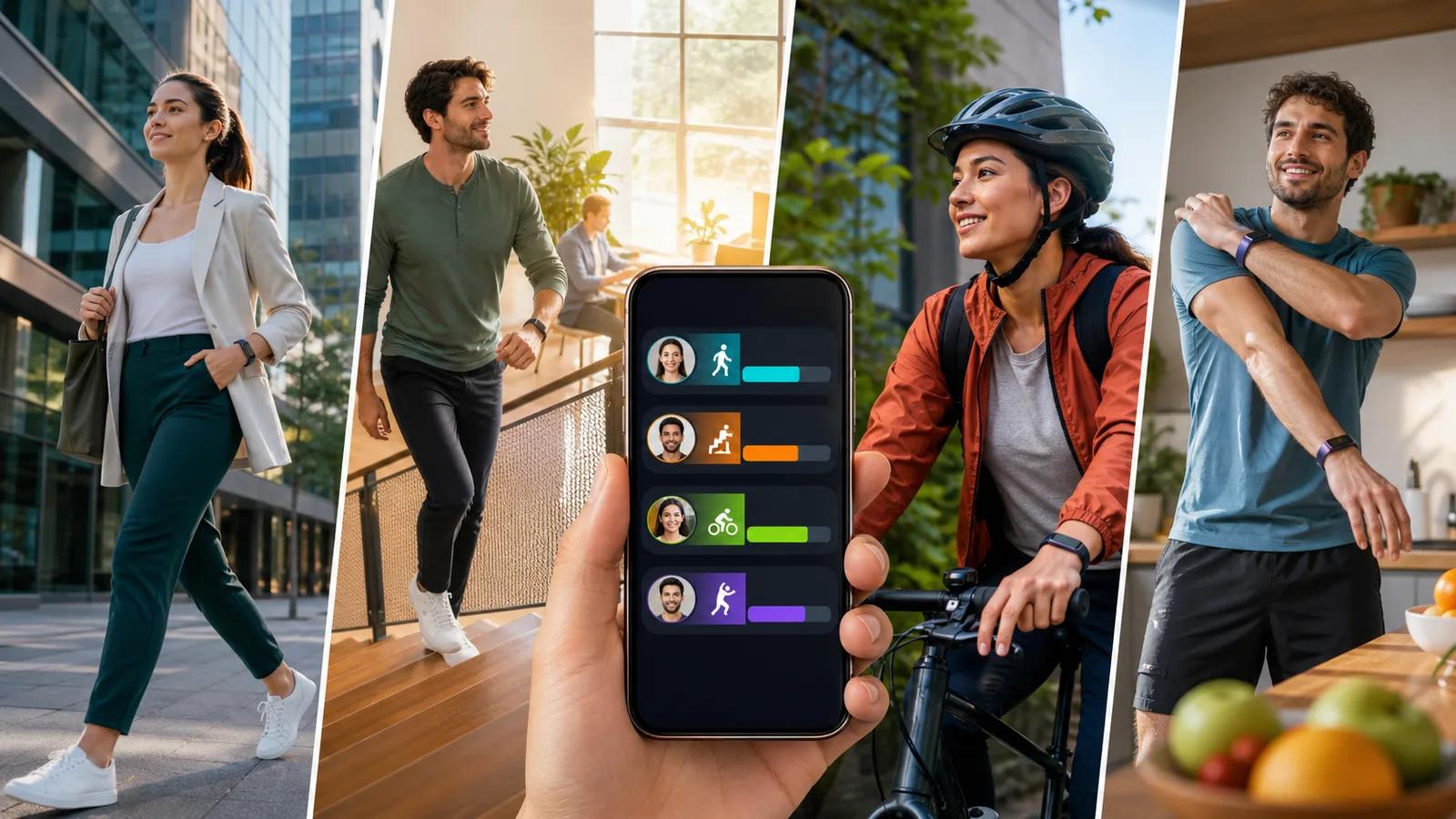
Friends do not need to meet at the gym every morning to feel like they are doing something together. We can create a shared challenge around movement, then let each person fit it into the pockets of time they already have. A quick walk between meetings, a weekend bike ride, yoga before bed, or a gym workout can all become part of the same group effort.
Flexibility is what keeps a challenge from feeling like another calendar obligation. Rather than requiring the same workout at the same time, we recommend letting friends earn progress through the activities they already enjoy. That gives everyone room to participate, whether they are training regularly or simply trying to move more during a busy week.
A live leaderboard also gives the group small, easy reasons to stay in touch. Seeing a friend climb the standings can lead to a quick message, a little friendly teasing, or a well-timed word of encouragement. Those small moments can be enough to keep someone moving when their motivation dips.
Late September is a great time to build this kind of routine. Back-to-school schedules are starting to settle, the weather often feels better for outdoor movement, and there is still time to build healthy habits before holiday plans fill the calendar.
Start with Rules Busy Friends Can Actually Follow
Simple rules make a group challenge feel welcoming from day one. We have found that friends are more likely to stick with a challenge when they know exactly what counts, how long it lasts, and what the group is working toward.
For many groups, a two- to four-week challenge gives everyone a clear finish line without feeling like a major commitment. It is long enough to build a routine, but short enough to fit around a packed season. If the group enjoys it, you can always plan another round later.
Choose one main metric that is easy for everyone to understand. The goal is not to make friends study scoring rules. It is to make the next bit of movement feel worthwhile.
Steps, for friends who want a simple daily target
Active calories, for groups focused on workout effort
Activity points, for a broader view of movement
Total movement, for a flexible challenge that fits different routines
Before the challenge begins, we recommend agreeing on what success looks like. First place can be fun, but it should not be the only reason to join. A group may want to build a shared total, keep a movement streak going, or simply end the challenge stronger than it started.
Inclusive expectations matter. Someone who is new to fitness should feel just as comfortable joining as the friend who runs before sunrise. When the rules reward consistency and effort, the challenge stays friendly instead of becoming intimidating.
Make Every Wearable Count on One Fair Leaderboard
Most friend groups do not use the same fitness device, and they should not have to. One person may track activity with an Apple Watch, while another uses Fitbit, Garmin, WHOOP, Oura, or an Android phone. Asking everyone to switch devices, share screenshots, or enter activity by hand adds friction that can make the challenge fade out quickly.
With MoveTogether, we bring activity data from supported wearables into one live leaderboard. That means your group can see shared standings in one place instead of jumping between different apps and dashboards. The focus stays on movement and connection, not on comparing screenshots in a group chat.
Fairness matters, too. Different devices can measure activity in different ways, which can create confusion if a challenge has no clear system. We keep cross-platform competition centered in one place so friends can spend less time debating data and more time cheering each other on.
A unified leaderboard works especially well for busy groups because it removes extra steps. Everyone can keep using the device they already wear or carry each day, while still being part of the same challenge.
Build Motivation Without Adding Another Daily Task
A good challenge should not demand constant attention. We want the leaderboard to be a quick source of motivation, not another app you feel pressured to manage. A fast glance at the standings can be enough to remind you that your evening walk or lunch break movement still counts.
Lightweight check-ins work well because they meet people where they are. Friends can celebrate a close race, notice when someone reaches a personal milestone, or send encouragement when a busy week gets in the way. The best messages are short, genuine, and focused on effort.
Mini milestones can also keep the middle of a challenge from feeling flat. Instead of planning complicated workouts, give the group a few simple moments to rally around.
A weekend walking push
A midweek movement goal
A consistency challenge for several days in a row
A final three-day sprint before the leaderboard closes
Positive accountability makes the experience better for everyone. We encourage groups to notice more than who is in first place. Celebrate the friend who keeps showing up, the person rebuilding a routine after a schedule change, and the participant who tries a new activity. Those wins often matter more than the final ranking.
Plan Your Fall Challenge with a Clear Finish Line
A small first challenge is often the easiest place to begin. We suggest inviting a manageable group of friends, coworkers, family members, or workout partners, then choosing a start date, a simple metric, and a challenge length that fits the group. MoveTogether gives friends using different supported wearables one place to compete through live, cross-platform leaderboards.
Starting in late September or October can help your group build momentum before holiday commitments pick up. Keep the rules clear, make room for different activity levels, and treat encouragement as part of the goal. A challenge that fits real schedules is far more likely to become a habit your friends look forward to repeating.
Make Every Challenge Easier to Manage
At MoveTogether, we help friends stay connected with tools that simplify planning, tracking, and encouragement. See how our group fitness challenge app can support your next shared goal without adding more to anyone's schedule. If you have questions about getting started, contact us for help choosing the right features for your group.
Frequently Asked Questions
What is a group fitness challenge app?
A group fitness challenge app lets friends track movement toward a shared goal while following their own routines. It can combine activities such as walking, cycling, yoga, and gym workouts into a single group challenge and leaderboard.
How can busy friends do a fitness challenge together without working out at the same time?
Choose a flexible challenge that counts activity completed whenever it fits each person's schedule. Friends can contribute with a walk between meetings, a workout after school drop-off, or a bike ride on the weekend while still progressing toward the same goal.
How long should a group fitness challenge last?
A two to four week challenge is often a practical length for busy friends. It provides enough time to build consistency while giving the group a clear finish line that does not feel like a long-term commitment.
What is the best metric for a friend fitness challenge?
The best metric is one your whole group can easily understand and use consistently. Steps work well for simple daily goals, active calories can suit workout-focused groups, and activity points or total movement may be better for groups with different exercise preferences.
What is the difference between a steps challenge and a total movement challenge?
A steps challenge measures walking and running activity, making it easy to follow but less inclusive of activities like cycling, yoga, or strength training. A total movement challenge recognizes a broader range of activity, which can be fairer for friends with different fitness routines and devices.