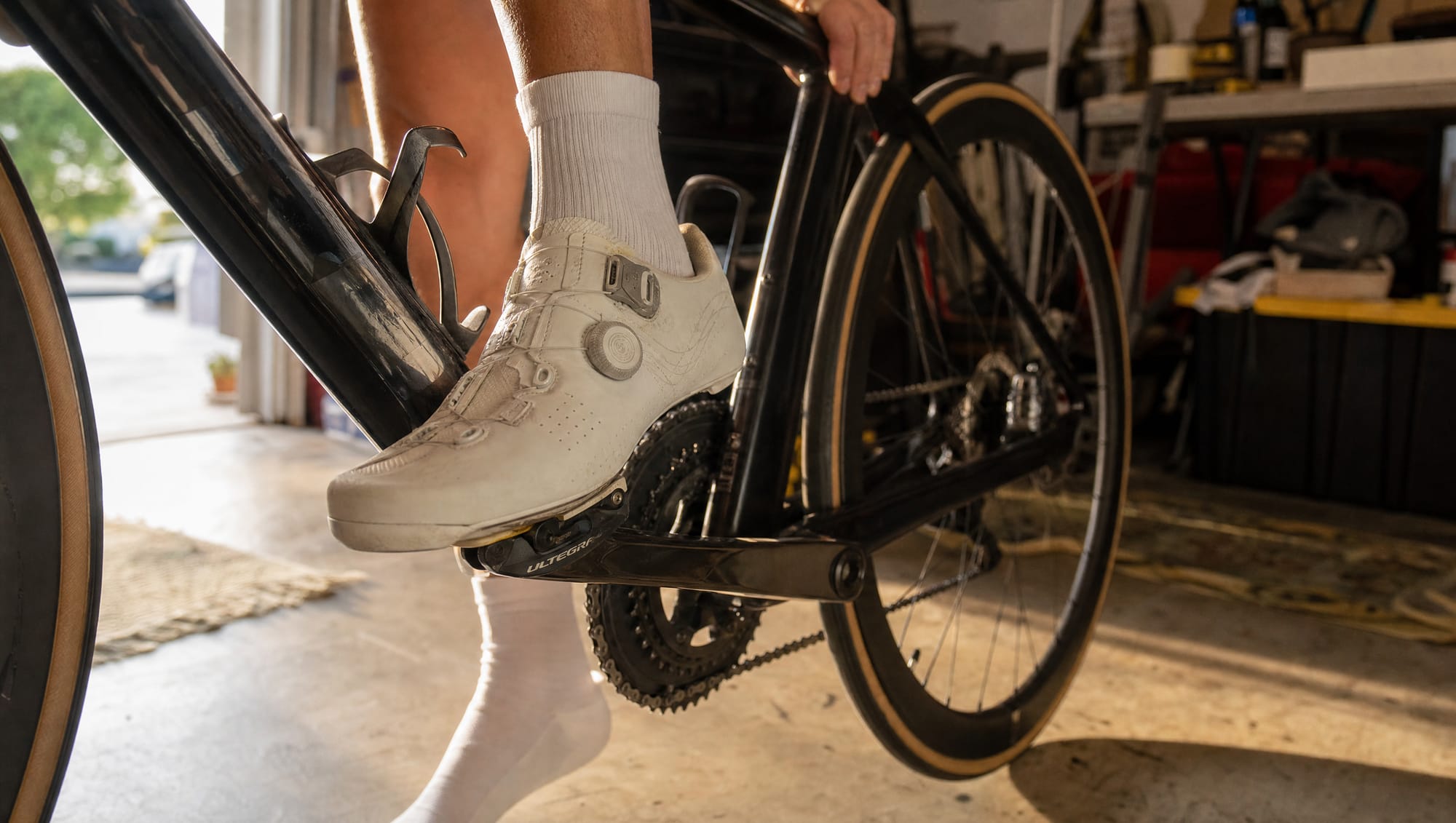
You pull an old indoor bike into the light, or you buy a used road bike and spot a set of chunky red cleats on the floor. The pedals look bulky, the shoes look unfamiliar, and the whole setup feels more specific than you expected. That is usually the moment people start asking about Look Delta pedals, and it is a fair question, because this is one of those systems that is still everywhere in some places and easy to ignore in others.
I have installed a lot of pedals over the years, and Delta is one of the clearest examples of a system that suits one rider and makes no sense for the next one over. It is not a museum piece just because it is older. It is a real compatibility standard, especially indoors, and it still works as long as the bike, the shoe, and the rider all line up.
Why Look Delta pedals still come up in 2026
Most riders meet Look Delta pedals in one of two ways. They clip into a studio bike or a home spin bike, then later they see the same broad red cleat shape on an older road bike and wonder if it is the same thing. It usually is. The confusion comes from the fact that Delta survived by becoming a practical standard, not by chasing the newest road-race trend.
Look's first clipless road pedal, the PP65, appeared in 1984, and Bernard Hinault won the 1985 Tour de France riding Look pedals, a milestone that helped push clipless pedals into the mainstream of elite road cycling. That history still matters, because the Delta shape became one of the familiar road interfaces and later showed up in indoor-cycling setups too, which is why it still looks recognizable decades on. Cycling Weekly's history of the Look clipless pedal covers that early transition.
Why riders still ask about Delta
The modern question is not nostalgia. It is whether Delta is still the right answer, or whether it is a legacy format you should skip. A lot of the online discussion stops at basic compatibility talk instead of the actual decision, which is whether you are buying into a dead end or a low-friction option for indoor bikes and older gear. The gap shows up most in the way people ask about studio bikes, used equipment, and cleat replacement, not in the way brands market the pedals.
So the lens here is not “is Delta old.” It is what Delta does well, where it gets awkward, and when it still makes more sense than switching systems. If you ride indoors, outdoors, or both, the answer changes depending on the bike under you.
The design and hardware behind Look Delta pedals
A Delta setup is easy to spot once you have handled one. It is a road-style, three-bolt cleat interface, so the cleat fastens to the shoe with three bolts, and the pedal body is shaped to accept that larger road cleat rather than a smaller two-bolt walking cleat. The retention system uses a spring, so you step in to engage and rotate your heel outward to release. Outward heel rotation is the release direction to learn first. Some Delta setups also allow an inward twist, so follow your pedal's manual, and practice clipping in and out while holding onto something before your first ride. That rotational release gives the system its secure feel once you are clipped in, which is part of why it still works for riders who want a predictable indoor or road connection.
What the numbers say about the platform
The original Look Delta cleat was measured at 213.44 square millimeters of bearing surface, while Look's newer Keo cleat increased that to 259.91 square millimeters in a physically smaller package. Cyclingnews traced that hardware change without pretending the whole system became something unrelated. Delta still does the same basic job, but the shape and feel reflect an earlier idea of how a road pedal should engage underfoot.
Weight tells a similar story. Early clipless road pedals were heavier and bulkier than what came later, and modern Keo pedals now run around 95 grams per pedal at the light end. That is a big part of why newer systems feel less clunky next to Delta, even though Delta itself was never trying to win a weight contest.
What that means on the bike
On the bike, the result is straightforward. Delta gives you a broad, stable road interface with a familiar indoor-cycling footprint. The large contact area helps the shoe feel planted, the clip-in action is easy to understand once the cleat and pedal match correctly, and the setup feels direct rather than fussy. That is also why riders often call it secure but a bit old-school compared with newer road hardware.
The tradeoff is simple. Delta works well for riders who want a system that is easy to recognize, easy to replace, and already built into many indoor bikes. It is less about chasing the latest look and more about using a known interface that still does its job cleanly. For plenty of home bikes, studio bikes, and older road setups, that is a perfectly reasonable choice.
Where Delta fits among modern cleat systems
Delta sits in a narrow but still practical lane. It is a three-bolt road system, while SPD uses a two-bolt cleat standard. That difference is where a lot of confusion starts, because cleats and pedals do not cross over between those families. A Delta cleat will not work on an SPD pedal, and an SPD shoe setup feels quite different from a road-style Delta setup.
| System | Cleat bolts | Float | Typical use |
|---|---|---|---|
| Delta | 3 | 0 or 9 degrees | Indoor cycling, older road setups |
| Keo | 3 | Varies by cleat | Modern road cycling |
| SPD | 2 | Varies by cleat | Commuting, mixed-surface riding |
Delta versus Keo and SPD in plain language
Delta cleats come in 0 degree and 9 degree float, sold as black and red cleats. Float lets your foot rotate a little under load instead of sitting locked in one position, which many riders find easier on the knees. The black cleat holds your foot more firmly, and the red cleat gives it room to settle.
For studio and home use, Look also builds an indoor pedal around the Delta standard. Its listed specs include a 650 square millimeter support surface and 10 to 15 Nm of Delta retention tension, per the Look Indoor Dual product page. The large contact area helps the shoe feel planted, and the retention range lets riders tune how hard it is to clip in and out without turning setup into guesswork.
One caveat worth flagging before you buy. The Delta cleats that ship with indoor and studio pedals are set up for indoor riding, and Look's current indoor Delta hardware is sold for spin bikes rather than the road. Delta began as a road standard and genuine Delta road cleats still exist, but the two are not interchangeable by default. If you plan to ride a Delta-equipped bike outdoors, confirm that the exact cleat and pedal you own are rated for road use instead of assuming every Delta cleat is.
The most common mistake is buying by pedal name instead of by cleat family. Delta and Keo both live in the three-bolt road world, but they are different enough that you cannot swap cleats casually. If you are shopping for a replacement, match the pedal to the cleat system already on the bike or in the studio. That keeps the decision practical instead of turning it into a parts hunt. If you already own road shoes with a three-bolt pattern, Delta or Keo may be relevant. If you need a more walkable, multi-use shoe, SPD is usually the cleaner fit.
Installing and adjusting Look Delta pedals
A Delta install goes smoothly when you slow down at the start. The first place people stumble is thread direction, because the left pedal uses reverse threads and the right pedal does not. If you catch that before reaching for a wrench, the rest of the job is routine instead of frustrating.
Start with the pedal body and the cleat pair
Unbox the pedals, separate left from right, and start each pedal into the crank by hand. If one side resists immediately, stop and check the threads instead of forcing it with a tool. That quick pause protects the crank arm and keeps the install from turning into a repair job.
Once the pedals are on, move to the shoes. Mount the cleats with the supplied hardware, so the shoe sits naturally on the pedal, then tighten the cleat screws to Look's specified 5.5 to 6 Nm rather than guessing by feel. Before you ride, clip in and release a few times while holding onto something steady to confirm engagement and exit feel right. After that, make only small changes from your first position. Setup is about fitting your foot, not chasing a perfect diagram, so give each adjustment a short ride before you touch it again.
Choose float before you chase perfection
Delta cleats are commonly sold in 0 degree and 9 degree float, and that choice changes how much your foot can move once it is clipped in. Think of it like a door hinge. A tight hinge gives little movement, a looser hinge gives more freedom, and the pedal feel follows the same logic.
Riders who like a bit of movement often prefer more float, because the foot can settle into a natural line under load. Riders who want a firmer, more fixed connection usually prefer less. If you are new to Delta, start with the friendlier option and only move toward a tighter feel if the first few rides tell you that you want it. A pedal that feels too demanding on day one makes early rides more awkward than they need to be.
Set retention tension with the ride in mind
Look's indoor Delta pedal lists a 10 to 15 Nm retention window, which gives you room to tune entry and exit feel. Start on the lighter end if you are setting the pedals up for the first time. That makes clipping in less fussy and clipping out less abrupt, which helps while you are still learning the motion.
Indoor studio riders usually prefer a firmer setting, because they stay on one bike and repeat the same movement. Riders using Delta at home or across mixed setups often want an easier release. The right setting is the one that lets you enter cleanly and get out without drama.
Pros and cons of choosing Delta
Delta still has a practical appeal. It is durable, familiar in indoor cycling, and easy to find as a replacement standard for older systems and studio bikes. That matters more than it first sounds, because a good pedal choice is often the one you can replace without digging through compatibility charts or wondering whether the cleat will still be easy to source next season.
What Delta does well
The biggest advantage is plain usefulness. If your indoor bike already takes Delta, the system is already doing the job you need. You bring your own shoes, clip in, and ride without adapting to a different interface. That is why it stays a default choice in many indoor-cycling settings.
Delta also behaves predictably once the setup is right. The broad platform feel, the firm retention, and the familiar road-style pattern make it easy to live with day after day. If you care more about reliable function than shaving grams, that is often the whole point. And if you want steadier control on the bike, a simple routine like cycling core exercises can help, because better body control tends to make cleat setup feel less fussy.
Where Delta gets less attractive
The drawbacks are real too. Delta is an older road standard, so it can feel less refined than newer systems, especially next to current hardware designed around lighter materials and smaller cleats. It still works, but it does not disappear under your feet the way newer road pedals often try to.
Float is the other consideration. The 9 degree red cleat gives more movement, which can help riders with sensitive knees, but it can feel loose if you prefer a very fixed connection. Black Delta cleats feel more secure, but they ask for more exact foot placement and can feel less forgiving when you are clipping in quickly before a ride. More float gives the foot room to settle. Less float gives a cleaner, locked-in feel but exposes sloppy foot placement fast. Neither setting wins every time. The better choice depends on how steady your knees and feet already are.
Who Delta makes sense for, and who should skip it
There is no single winner here. Delta is a good answer for some riders and a lazy answer for others. The easiest way to sort it out is to think in real setups, not abstract bike talk.
Four quick rider scenarios
- Indoor rider on a Delta bike. The obvious match. If the bike already takes Delta, use it. The shoes are easy to source and the ride starts fast.
- Road rider building a first clipless setup. Keo usually makes more sense if you are building a modern road bike from scratch and care about lighter hardware.
- Commuter mixing clipless and flat-shoe use. SPD often fits better, because the two-bolt format is easier to live with in mixed-use shoes and everyday stop-start riding.
- Vintage-build enthusiast. Delta can be the right call if you are keeping an older Look-equipped bike period-correct or preserving a setup that already works.
Read the bike before you read the brand
Delta makes sense when the bike uses it, when indoor cycling is the main use, or when durability matters more than weight. It starts to lose ground when you want maximum shoe flexibility, a newer road ecosystem, or a pedal you can swap across a wider range of everyday shoes.
A lot of riders overcomplicate this. The answer is usually sitting in front of them. If the studio bike is Delta, ride Delta. If you are choosing a fresh road setup, compare the pedal families before you buy the first cleat you see online. A quick look at a watch-for-cycling comparison can help if you are balancing indoor sessions with outdoor riding and want the rest of your gear decisions to stay practical too.
Maintenance, common issues, and quick fixes
Delta pedals stay simple if you treat them like moving hardware, not decoration. After a wet ride, wipe the spring mechanism, clear out grit, and check that nothing is binding before you add lubricant. If the pedal starts feeling rough or gritty at the spindle, stop riding it and follow the service procedure for your exact pedal model, or hand it to a qualified mechanic. A rough spindle is not always a grease fix, so do not assume lubrication will sort it out.
The common problems riders run into
- Worn cleats. The pedal may start releasing unpredictably or feel less consistent when you clip out. Replace the cleats first.
- Tension that drifts after heavy use. Entry and exit feel can change after many clip-ins. Recheck the tension setting before blaming the whole pedal.
- A clip-in that feels sticky or unsafe. Dirt, binding, or a tired cleat can make the release feel wrong in a hurry. Clean the mechanism and inspect the cleat before the next ride.
The cleat is often the first part to suspect. On indoor bikes, the same motion repeats session after session, so cleats wear faster than riders expect. If the pedal body still feels solid and the release problem follows the shoe, the cleat is the likely culprit.
When to stop tinkering
If the pedal body still feels rough after cleaning and re-greasing, or the mechanism no longer holds consistently, replace the pedal. If the issue is unpredictable release but the body still spins cleanly, start with new cleats. That order saves money and keeps you from swapping out hardware that was never the problem.
Delta lasts longer when you treat it like working equipment instead of a set-and-forget accessory. Keep it clean, keep the cleats honest, and check the setup before the first bad clip-out forces the issue.
The honest take on choosing Look Delta today
Delta is the right choice when the bike already uses it, when indoor cycling is the main job, or when you care more about durability and easy replacement than the lightest hardware. It is the wrong choice when you are building a modern road bike from scratch, need broader shoe flexibility, or want the most current road-pedal feel.
If you want a cleaner way to track your rides, compare habits, and stay consistent across different activities, MoveTogether brings your activity into one place and makes it easier to stay on top of the training that supports your cycling.