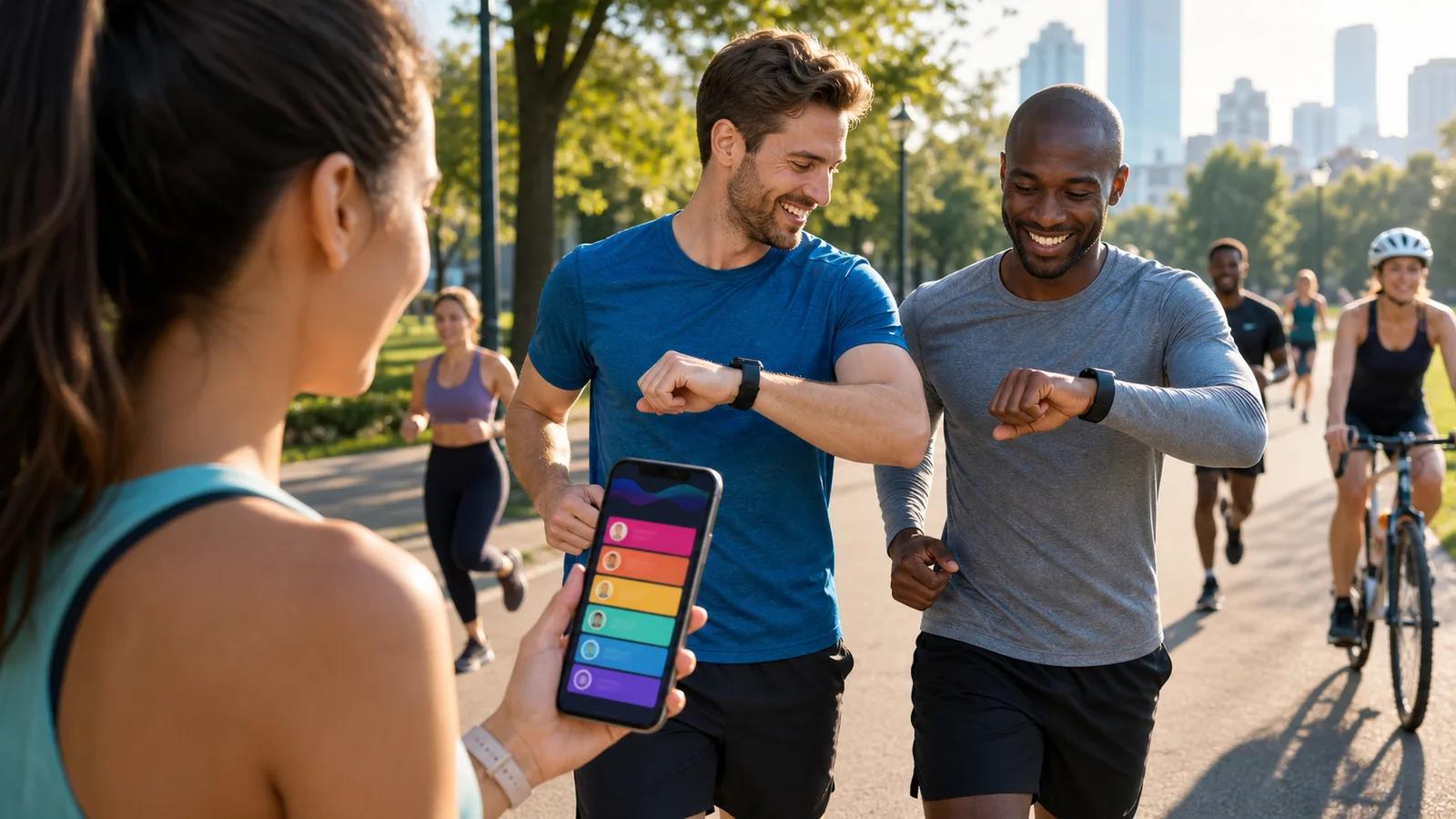
An AI fitness coach app can make friendly competition more useful, but only when it keeps your health and comfort ahead of the leaderboard. As late summer gives way to fall, routines tend to fill up fast with work, school, and changing schedules. A little social motivation can help you keep moving without making fitness feel like another chore.
Wearable data shows what you did, but it does not always give you a reason to do more tomorrow. We believe a close rivalry, paired with thoughtful coaching, can turn steps, workouts, calories, and active minutes into habits that last. The key is using competition to encourage consistency, not guilt or pressure.
Turn Friendly Competition Into Lasting Habits
A friend sitting just ahead of you on a leaderboard can be surprisingly motivating. Maybe it encourages an evening walk after dinner, a quick stretch session between meetings, or taking the stairs instead of the elevator. Those small choices add up, especially when they happen week after week.
At MoveTogether, we bring activity from major wearable platforms into one fair, real-time leaderboard. That means you and your friends can focus on the challenge itself, even if you track activity with different devices. Instead of arguing over whose wearable counts movement differently, you can share a goal and enjoy the fun of trying to catch one another.
Still, rivalry tracking should never mean that every workout becomes a race. We design competition around the idea that movement should fit into your real life. An AI fitness coach app can help by turning activity data into useful guidance while keeping the tone supportive and realistic.
When Rivalries Inspire, Not Pressure
Healthy rivalries work because they give you a simple reason to stay active on days when your motivation is low. If the standings are close, a short walk may feel more rewarding than skipping movement altogether. The goal is not always to win. Sometimes it is simply to show up for yourself.
Competition tends to feel better when you are matched with people at a similar activity level or placed in flexible weekly leagues. Your first week of building a routine should not be measured against someone training for a major athletic event. We want every participant to have room to improve without feeling left behind.
A thoughtful AI fitness coach app can notice patterns that make competition more positive. It may recognize that you are more consistent during a friend challenge, celebrate your best week of movement, or suggest a goal that feels reachable before the league closes.
Supportive rivalry features should include:
Opt-in challenges, so you choose when to compete
Privacy settings that let you control what others can see
Pause options for busy weeks, travel, or recovery time
Encouragement that recognizes effort, not only first place
Flexible leagues that make room for different fitness levels
On the other hand, nonstop ranking updates and harsh notifications can turn a fun challenge into anxiety. Winner-takes-all scoring may also make people feel like their work does not matter unless they finish at the top. We believe a good leaderboard should make you want to move, not make you feel bad for resting.
What Your AI Coach Should Know About Rivals
Not every rivalry means the same thing. A playful challenge with a sibling has a different feel from a workplace wellness contest or a serious athletic competition. Your coach should understand that difference and adjust its language, suggestions, and timing accordingly.
When you are just behind a rival, the right recommendation might be a manageable walk, a mobility session, or a short strength workout. If you have already been highly active, though, a smart coach should not push you to chase extra points. Recovery, rest, and balance matter too.
We also think your progress deserves attention beyond a single rank. Even when another person finishes first, you may have created a stronger routine than you had the week before. That is meaningful progress.
Useful coaching can shine a light on more than placement, including:
Consistency streaks and regular movement habits
Improvement from one week to the next
Personal activity milestones
Recovery-friendly choices after demanding days
Goals that match your schedule and preferences
You should also stay in charge of the social side. We support the idea that users should be able to decide whether rivalries are visible, limit alerts, adjust league settings, and choose how much activity information they share. Coaching is more helpful when it respects your boundaries.
Build Fair Rivalries Across Every Wearable
Friendly competition gets complicated when everyone uses a different wearable or activity platform. One friend may track movement one way, while another uses a different device with its own system. Without a shared approach, people can spend more time questioning the score than enjoying the challenge.
Our cross-platform approach brings activity data from major wearables into one shared leaderboard. This creates a clearer place to compare progress in real time and keeps the focus on moving together. Fair competition starts when everyone understands how the league works.
Transparent scoring matters because people want to know what counts. A trustworthy competition app should clearly show how activity contributes to standings, when data syncs, and how different workout types are handled. Clear rules make a close win feel earned and make a tough week easier to accept.
Fair scoring also helps mixed fitness groups stay connected. Friends may have different jobs, schedules, abilities, and favorite ways to be active. A welcoming league gives people room to pursue realistic goals instead of rewarding only the highest-volume training.
Use Weekly Leagues to Keep Fall Momentum
Late August and early fall are great times to start a weekly league. Summer travel is winding down, school routines are returning, and many of us are ready for a fresh rhythm before the holiday season arrives. A one-week challenge feels easier to join than a long commitment that stretches for months.
Weekly leagues offer a reset often. If you have an off week because life got busy, you do not need to feel like you ruined the whole season. The next league gives you another chance to reconnect, set a goal, and move forward with your friends.
Our AI-powered coaching can support that rhythm with prompts that fit the week ahead. A Monday goal can create focus, a midweek reminder can help you stay engaged, and timely encouragement near the finish can make close standings more fun.
Variety helps keep rivalries from feeling stale. You might rotate opponents, build a small friend group, join a broader league, or try themed challenges that give everyone a new reason to participate. Combining personal goals with social competition helps prevent every workout from feeling like a test.
Start a Smarter Fall Challenge
Rivalry tracking can be a positive feature when it is optional, fair, and guided by supportive coaching. We built MoveTogether around cross-platform wearable data, real-time leaderboards, AI-powered coaching, and weekly leagues because shared movement can make everyday fitness more enjoyable.
Choose competition that respects your body, your schedule, and your privacy. The best rivalry is not the one that pushes you past your limits. It is the one that makes taking a walk, finishing a workout, or returning after a missed week feel more rewarding.
Build A Fitness Routine That Fits Your Life
At MoveTogether, we help you stay focused on progress that feels personal, practical, and sustainable. See how our AI fitness coach app can support your goals with guidance designed around your routine. Have questions about finding the right fit? Contact us to start the conversation.
Frequently Asked Questions
Should an AI fitness coach app track rivalries?
Yes, if rivalry tracking is optional, supportive, and designed around healthy habits rather than constant pressure. It should encourage consistency while respecting rest days, recovery, and different fitness levels.
What is a fitness rivalry in an AI coach app?
A fitness rivalry is a friendly competition between you and another participant based on activity measures such as steps, workouts, calories, or active minutes. An AI coach can use the standings to offer realistic encouragement and activity suggestions.
How can I compete with friends without feeling pressured to exercise too much?
Choose opt-in challenges, flexible weekly leagues, and rivals with similar activity levels. Use pause settings during travel, busy periods, illness, or recovery, and treat the leaderboard as motivation rather than a reason to overtrain.
What is the difference between a supportive fitness leaderboard and a stressful one?
A supportive leaderboard recognizes effort, personal progress, and consistency, not only first place. A stressful leaderboard relies on nonstop ranking alerts, winner-takes-all scoring, or messages that make people feel guilty for resting.
Can an AI fitness coach recommend rest instead of more activity during a rivalry?
A well-designed AI fitness coach should account for how active you have already been and avoid pushing extra activity just to gain points. It can suggest recovery, mobility work, or rest when those options better support your health and long-term progress.